Your Guide to Growing Black Beans: Direct Sowing for Success
Black beans, scientifically known as
Phaseolus vulgaris, are a culinary cornerstone in Central and South American cuisines, cherished for their robust flavor and versatility. For millennia, these humble legumes have nourished communities, and today, they offer an incredibly rewarding experience for home gardeners. If you've ever wondered
how to grow black beans and achieve a bountiful harvest right in your backyard, you've come to the right place. Far from being a niche crop, black beans are surprisingly fuss-free and promise a consistent yield, making them an excellent addition to any productive garden, whether in traditional beds, raised beds, or even large containers.
While many gardeners are familiar with their snap bean or French bean cousins, black beans often fly under the radar. This article aims to demystify their cultivation, guiding you from seed to a satisfying harvest, focusing on the optimal direct-sowing method that guarantees success. Get ready to unlock the secrets to cultivating these glossy, deep-purple treasures and enjoy the unparalleled satisfaction of cooking with your homegrown black beans.
Why Choose to Grow Black Beans? Unlocking Culinary and Garden Rewards
The decision to embark on the journey of growing black beans offers a multitude of benefits, extending from your garden to your plate. Beyond their rich flavor profile and dense, meaty texture that holds up beautifully in everything from hearty chilis and soups to vibrant salads and burritos, black beans are a nutritional powerhouse. They are packed with protein, fiber, and essential minerals, making them a healthy and economical choice for any diet.
Unlike many vegetables harvested for fresh consumption, black beans are primarily grown for their mature, dried seeds. This means they offer excellent storage potential, allowing you to enjoy your harvest throughout the year. The common cultivar 'Black Turtle' beans are particularly popular for home cultivation due to their reliability and robust flavor.
You might be asking, "Why aren't more people growing them?" Given their low maintenance and high productivity, it’s a valid question. Black beans truly are one of the most reliable crops you can plant for a top-quality harvest without constant fuss. They represent a sustainable choice for your garden and an opportunity to reduce your grocery bill while increasing your food security. To delve deeper into the specific advantages of integrating these legumes into your garden, explore
Why Grow Black Beans? Unlock Fuss-Free & Flavorful Home Harvests.
Essential Conditions for Black Bean Success: Sun, Soil, and Site Selection
Understanding the ideal growing environment is paramount for anyone looking into
how to grow black beans successfully. These are heat-loving crops, originating from the sun-drenched regions of Central and South America, so recreating a similar environment in your garden is key.
The Importance of Sunlight
Black beans absolutely thrive in warmth and an abundance of sunlight. For optimal growth and a generous yield, select a planting site that receives at least
six to eight hours of direct sunlight each day. Shady conditions are the arch-nemesis of black bean plants; they will struggle, produce fewer pods, and generally be unhappy without their requisite sun exposure. Whether your garden consists of traditional beds, elevated raised beds, or even containers, prioritize direct sunlight. Adequate light levels are arguably the most critical factor for their success.
Ideal Soil Conditions
When it comes to the soil, black beans are not overly demanding but do appreciate well-draining, fertile ground. Before planting, it's a good practice to test your soil's pH to ensure it falls within a slightly acidic to neutral range (6.0 to 7.0 is generally ideal). If your soil needs a boost, enrich it generously with organic matter such as nutrient-rich compost or well-rotted manure. This not only improves fertility but also enhances drainage and moisture retention, creating a hospitable environment for root development.
As a crucial part of responsible garden planning, remember crop rotation. Avoid planting black beans in a spot where other legumes, including soybeans, kidney beans, or fava beans, have grown within the last three years. This practice helps prevent the build-up of specific soil-borne diseases and pests that affect the legume family.
Bush vs. Pole Varieties
Black beans come in both bush and pole varieties, offering flexibility depending on your garden space and preferences.
- Bush varieties typically grow 2-3 feet tall, forming compact plants that don't require external support. They tend to produce their harvest all at once, making them ideal for gardeners who want a concentrated yield for processing or canning.
- Pole varieties are vining plants that can reach up to 8 feet or more. They require support structures like trellises, stakes, or netting to climb. While they take up less ground space, they produce a continuous harvest over a longer period.
Consider your available space and how you plan to harvest when choosing between these two types. Most commonly, 'Black Turtle' beans are a bush variety, excellent for small gardens or container growing.
Direct Sowing Black Beans: The Key to a Bumper Harvest
The most effective method for
how to grow black beans is direct sowing outdoors. Unlike many other vegetables, black beans do not respond well to transplanting due to their delicate, shallow root systems. Starting seeds indoors and then moving them can lead to stunted growth and reduced yields, making direct sowing the unequivocally superior approach.
Timing Your Planting
Patience is a virtue when planting black beans. As warm-season crops, they are highly susceptible to frost. Therefore, wait until all danger of frost has definitively passed for your specific US hardiness zone, typically in late spring or early summer. Even more importantly, ensure the soil temperature has warmed up to at least 60°F (15°C). Planting in cold soil can lead to poor germination, rotting seeds, and weak seedlings. Resist the urge to sow too early!
Sourcing and Preparing Your Seeds
Black bean seeds are readily available online from reputable retailers or at local garden centers. You'll often find them listed as 'black turtle beans' in seed catalogs. Once you have your seeds, consider a simple step to boost germination rates:
- Soaking Seeds: As gardening experts like Ashleigh Smith advise, soaking black bean seeds in water for 2-4 hours before planting can significantly improve germination. This rehydrates the seed coat, signaling it's time to sprout. Be careful not to soak for too long, as this can lead to rot.
- Nitrogen-Fixing Inoculant: Black beans, like all legumes, have a symbiotic relationship with specific soil bacteria that convert atmospheric nitrogen into a form usable by plants. Applying a nitrogen-fixing inoculant to your seeds just before planting, or directly into the soil, can significantly enhance this process. This results in stronger, healthier plants and can even enrich your soil for subsequent crops. Look for inoculant products specifically designed for beans.
The Sowing Process
Once your soil is warm and prepared, and your seeds are ready:
- Planting Depth: Sow seeds about 1 inch deep into the soil.
- Spacing: For bush varieties, plant seeds 4-6 inches apart in rows that are 18-24 inches apart. If you're growing pole beans, space them 6-8 inches apart at the base of your chosen support structure.
- Watering: After sowing, water the area gently but thoroughly. Keep the soil consistently moist (but not waterlogged) during the germination period, which typically takes 7-14 days.
Ongoing Care and Harvesting for Maximum Yield
Mastering the subsequent care is the final piece of the puzzle for
how to grow black beans, ensuring your plants remain healthy and productive throughout the growing season.
Watering and Weeding
Consistent moisture is crucial for black beans, especially during their flowering and pod-setting stages. Aim for about 1 inch of water per week, either from rainfall or irrigation. Avoid overhead watering if possible, as wet foliage can encourage fungal diseases. Instead, water at the base of the plants in the morning.
Keep your garden beds free of weeds, as they compete with your black bean plants for vital water, nutrients, and sunlight. Mulching around the plants can help suppress weeds, conserve soil moisture, and regulate soil temperature.
Support for Pole Varieties
If you've opted for pole beans, ensure your trellises, stakes, or netting are securely in place before the plants begin to vine. Guide the young vines onto the supports if needed; they will typically grasp on once they find something to climb.
Pest and Disease Management
Black beans are generally robust, but keep an eye out for common garden pests like aphids, bean beetles, or spider mites. Regular inspection allows for early intervention, often with organic solutions like insecticidal soap or neem oil. Good air circulation and proper spacing can help prevent fungal issues.
Harvesting Your Black Bean Bounty
Black beans are grown specifically for their dried beans. This means patience is key!
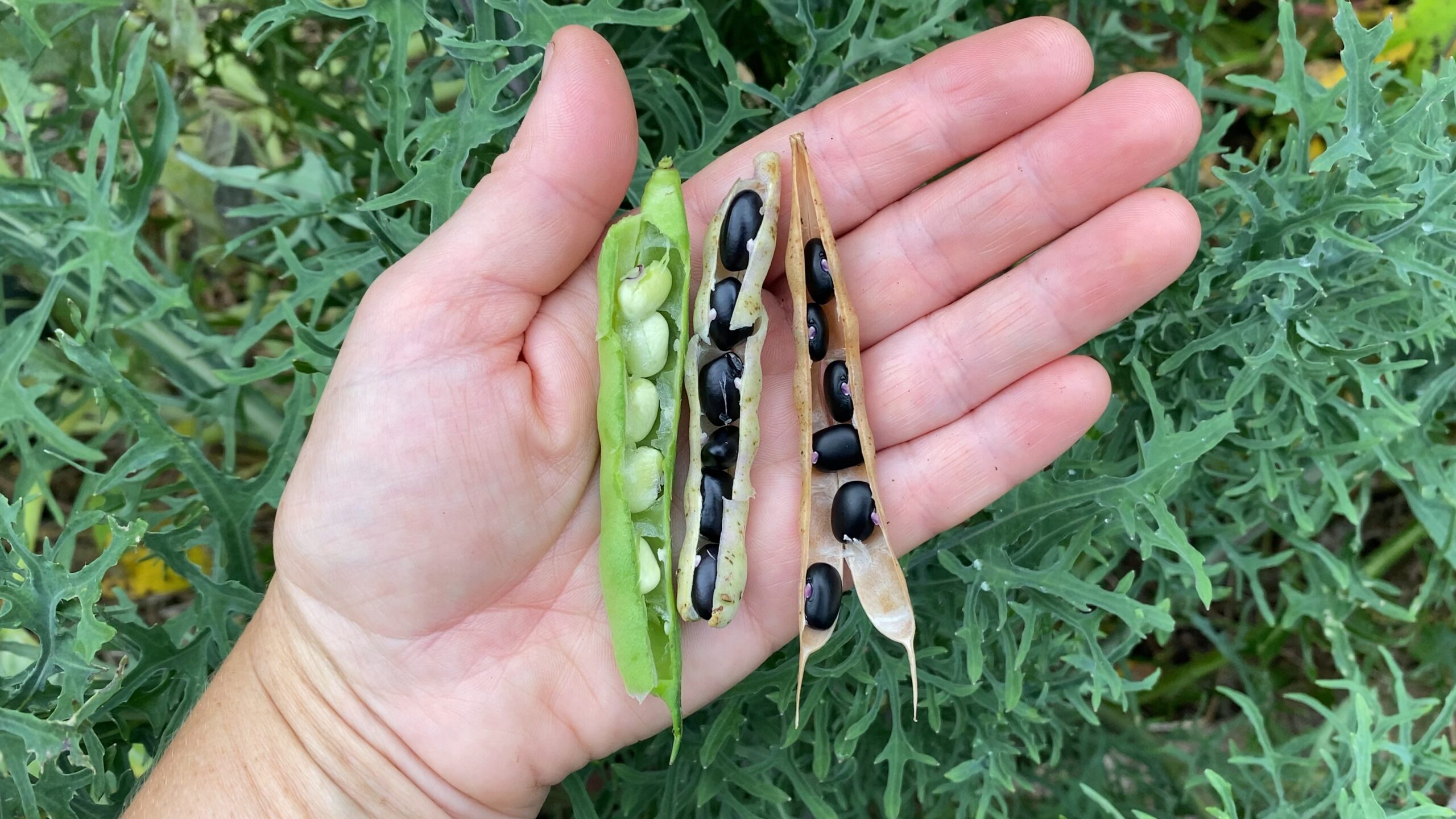
- Wait for Maturity: Allow the pods to fully mature and dry on the plant. They will transition from green to yellow, then to a papery brown. The beans inside will be firm and rattling.
- Harvesting: Once the pods are dry and brittle, carefully pick them from the plants.
- Drying and Curing: If weather conditions are still damp or humid, you may need to further dry the pods. Spread them in a single layer in a warm, dry, well-ventilated area, away from direct sunlight, for a few weeks.
- Threshing and Storage: Once completely dry, shell the beans from their pods. You can do this by hand, or for larger quantities, you can gently crush the pods in a bag and then winnow away the chaff. Ensure the dried beans are truly dry and hard before storing them in airtight containers in a cool, dark place. Properly stored black beans can last for years!
For more detailed insights into optimizing your growing conditions and ensuring a fantastic yield, take a look at
Grow Black Beans: Bumper Harvests Made Easy with Sun & Soil.
Conclusion
Growing black beans is a remarkably rewarding experience that combines ease of cultivation with significant culinary benefits. By understanding their simple requirements for ample sunshine, well-prepared soil, and the critical importance of direct sowing, you can achieve a truly abundant harvest. From preparing your garden bed to the satisfying process of shelling your homegrown, glossy black beans, each step is straightforward and accessible, even for beginner gardeners. Armed with these insights, you're well on your way to mastering
how to grow black beans, enjoying the deep satisfaction of self-sufficiency, and enriching your kitchen with these versatile, nutritious legumes. So, roll up your sleeves, prepare your soil, and get ready to enjoy a bumper crop of black beans!