Grow Black Beans: Bumper Harvests Made Easy with Sun & Soil
Black beans, known scientifically as
Phaseolus vulgaris, are a culinary cornerstone in Central and South American cuisines, celebrated for their rich flavor and dense, meaty texture. While many home gardeners might opt for familiar French or snap beans, the unassuming black bean is a true garden gem, offering fuss-free cultivation and consistently high yields. If you've ever wondered
how to grow black beans at home, prepare to discover just how simple and rewarding it can be to cultivate these nutritious legumes for a truly bumper harvest.
These versatile pulses are not only a staple in countless dishes, from hearty soups and stews to vibrant salads and burritos, but they also thrive with minimal fuss, making them an ideal choice for both novice and experienced gardeners. Forget those supermarket bags – imagine harvesting your own glossy, deep purple black beans, fresh from your backyard.
Understanding Black Beans: A Garden Staple
Black beans have a history stretching back thousands of years, a testament to their reliability and value as a food source. They are classic warm-season crops, loving the sun and warmth, a trait inherited from their origins. When planning
how to grow black beans, understanding their basic nature is key.
There are primarily two types of black bean plants you can grow:
- Bush Varieties: These grow into compact, self-supporting plants, typically reaching two to three feet in height. They are excellent for smaller gardens, raised beds, or even large containers, and generally produce their crop all at once. The most common cultivar for home gardeners is 'Black Turtle' beans.
- Pole Varieties: These are vining plants that can climb eight feet or more, requiring a trellis, stakes, or netting for support. They tend to produce over a longer season compared to bush varieties.
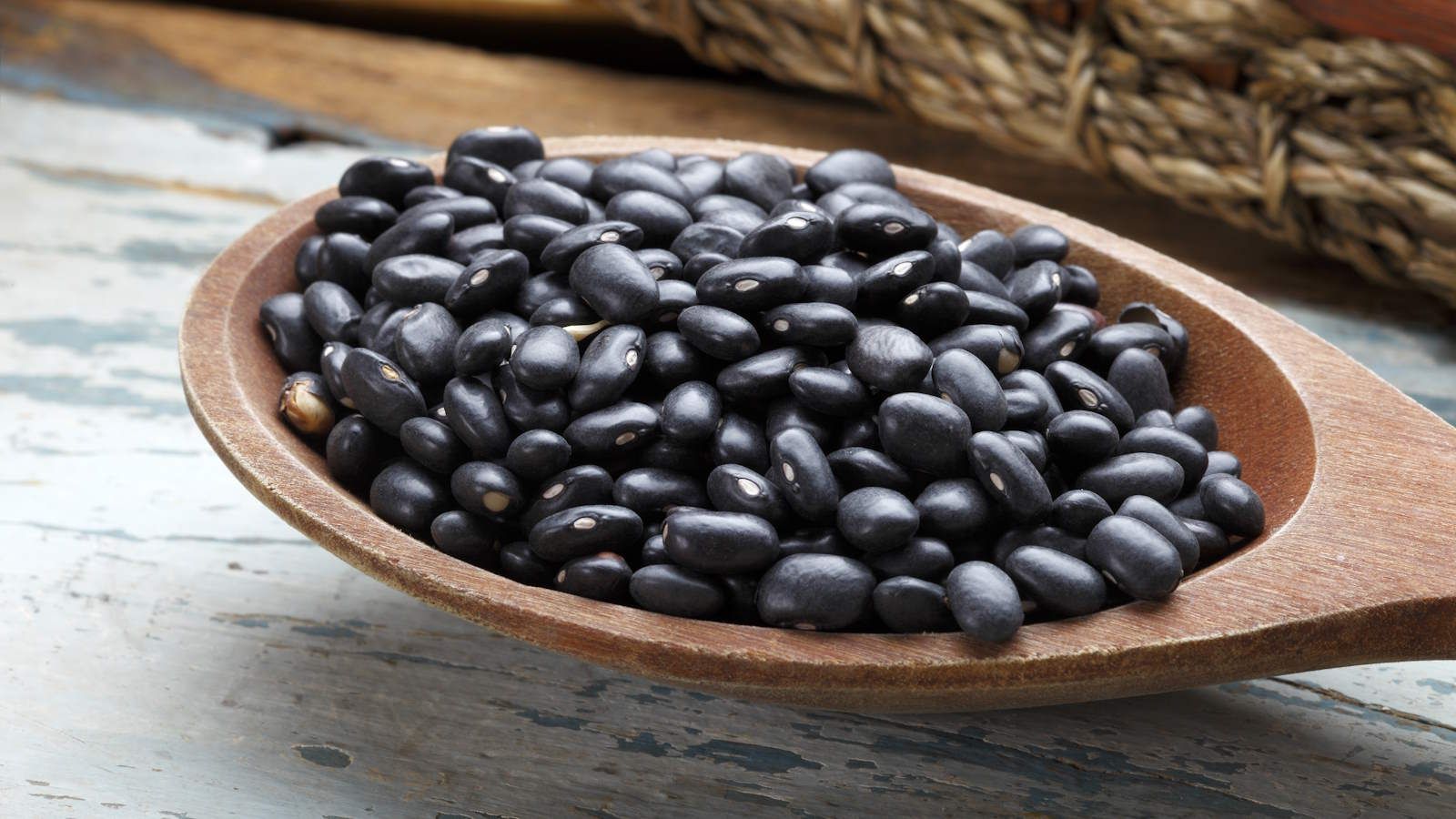
Regardless of the type, the goal is the same: to harvest the dried beans from inside the plant's mature, brittle pods. These glossy, deep purple treasures are far superior to their canned counterparts. If you're still on the fence about dedicating garden space to this incredible crop, read our article
Why Grow Black Beans? Unlock Fuss-Free & Flavorful Home Harvests for more convincing reasons!
Essential Conditions for Bumper Black Bean Harvests
Success in growing black beans hinges on providing a few key environmental factors. Get these right, and you're well on your way to a prolific harvest.
Sunlight: The Non-Negotiable Requirement
Black beans are absolute sun-worshippers. Hailing from regions with abundant sunshine, they simply won't perform well in shady conditions. For a truly bumper crop, your black bean plants need at least
six to eight hours of direct sunlight each day. Anything less, and you'll find plants struggling, flowering poorly, and ultimately yielding a sparse harvest. When choosing a location – whether it's a traditional garden bed, a raised bed, or containers – prioritize that sunny spot.
Soil: The Foundation for Growth
While black beans aren't overly fussy, good soil makes all the difference.
- Drainage and Fertility: They thrive in well-draining, fertile soil. Before planting, it's wise to test your soil's pH to ensure it's within a suitable range (slightly acidic to neutral, typically 6.0-7.0).
- Organic Matter: Boost soil fertility by incorporating plenty of organic matter, such as well-rotted compost or aged manure, into your garden beds. This improves soil structure, drainage, and nutrient availability.
- Crop Rotation: This is a crucial practice. Black beans are legumes, and to prevent the buildup of soil-borne diseases and pests specific to the bean family, avoid planting them in the same spot where other legumes (like soybeans, kidney beans, or fava beans) have grown in the previous three years.
- Nitrogen Fixation: As legumes, black beans have a symbiotic relationship with nitrogen-fixing bacteria in the soil, allowing them to draw nitrogen from the air. To further enhance plant vigor and yield, consider adding a nitrogen-fixing inoculant to your soil or directly coating your seeds before planting. This gives the plants an excellent head start, providing them with essential nitrogen for strong growth.
Temperature and Timing: When to Plant
Black beans are sensitive to cold and frost, making timing paramount.
- Frost-Free Zone: Always wait until all danger of frost has passed for your specific USDA hardiness zone.
- Soil Temperature: This is the golden rule. Do not rush to sow! Black bean seeds germinate best when soil temperatures have consistently reached at least 60°F (15°C) in spring. Planting in cold soil can lead to poor germination and weak seedlings.
- Sourcing Seeds: Quality seeds are readily available online from reputable retailers or at your local garden center. Many seed catalogs will list the common 'Black Turtle' bean, which is an excellent choice for home growing.
Step-by-Step Guide: How to Grow Black Beans from Seed
Once you've prepared your ideal sunny spot with rich, well-draining soil, it's time to get your hands dirty and learn the practical steps of
how to grow black beans.
- Seed Preparation (Optional but Recommended): To improve germination rates, many gardeners, including expert Ashleigh Smith, advise soaking black bean seeds for a few hours (no more than 12-24 hours) prior to planting. This softens the seed coat, allowing water to penetrate more easily and kickstarting the germination process. Ensure to plant them immediately after soaking. If using an inoculant, coat the soaked seeds according to product instructions.
- Direct Sowing: Black beans have a shallow, sensitive root system and do not respond well to transplanting. This is a critical point: always direct sow black bean seeds outdoors rather than starting them indoors. For bush varieties, plant seeds approximately 1 inch deep and 4-6 inches apart in rows, with rows spaced 2-3 feet apart. For pole varieties, space them 6-8 inches apart at the base of your chosen support structure. Water thoroughly immediately after planting to settle the soil. For a detailed guide on this crucial step, check out Your Guide to Growing Black Beans: Direct Sowing for Success.
- Consistent Watering: Once germinated, maintain consistent moisture, especially during flowering and pod development. Aim for about 1 inch of water per week, either from rain or irrigation. Avoid letting the soil dry out completely, but also ensure it doesn't become waterlogged, which can lead to root rot.
- Weeding: Keep the planting area free of weeds, particularly when plants are young. Weeds compete for water, nutrients, and sunlight, all of which your black beans need for optimal growth. Mulching around the plants can help suppress weeds and retain soil moisture.
- Provide Support (for Pole Varieties): If you've chosen pole beans, ensure your trellis, stakes, or netting is firmly in place before the vines begin to climb. Guide the young tendrils onto the support initially, and they will quickly learn to climb on their own.
- Companion Planting: Black beans are good neighbors in the garden. Companion plants like corn can offer natural support for pole beans, while tomatoes, peppers, onions, garlic, and cilantro can deter pests and enhance growth.
Harvesting Your Bumper Black Bean Crop
The most exciting part of learning
how to grow black beans is, of course, the harvest! For dried beans, patience is key.
- Timing for Dried Beans: Wait until the pods are fully mature, dry, and brittle on the plant. You'll notice the leaves starting to yellow and shrivel, and the pods will turn from green to a straw-like color. The beans inside should feel hard and dry.
- Harvesting Method: You can either pick individual dried pods as they ripen or, for bush varieties, cut the entire plant at the base once most of the pods are dry.
- Drying and Curing: If you've harvested entire plants or many still-greenish pods, hang them upside down in a cool, dry, well-ventilated area (like a shed or garage) for a few weeks to allow the beans to fully dry and cure. This prevents mold and ensures good storage.
- Shelling and Storage: Once the pods are completely dry and brittle, shelling the beans is easy. Simply crack open the pods and collect your glossy, dark beans. Store your homegrown black beans in airtight containers in a cool, dark, dry place. Properly stored, they can last for years!
Conclusion
Growing black beans at home is an incredibly rewarding experience that offers not only fresh, nutritious food but also the satisfaction of nurturing a fuss-free crop from seed to harvest. By providing ample sun, well-prepared soil, and timely planting, you'll discover
how to grow black beans with ease and enjoy a truly bumper harvest of these versatile legumes. So, clear a sunny spot in your garden this spring, plant some black bean seeds, and prepare to elevate your culinary creations with the unparalleled flavor of homegrown black beans.